Project Case Study
GTFS-Web: High-Performance Transit Management Ecosystem
GoReactTypeScriptPostgreSQLLeafletDocker
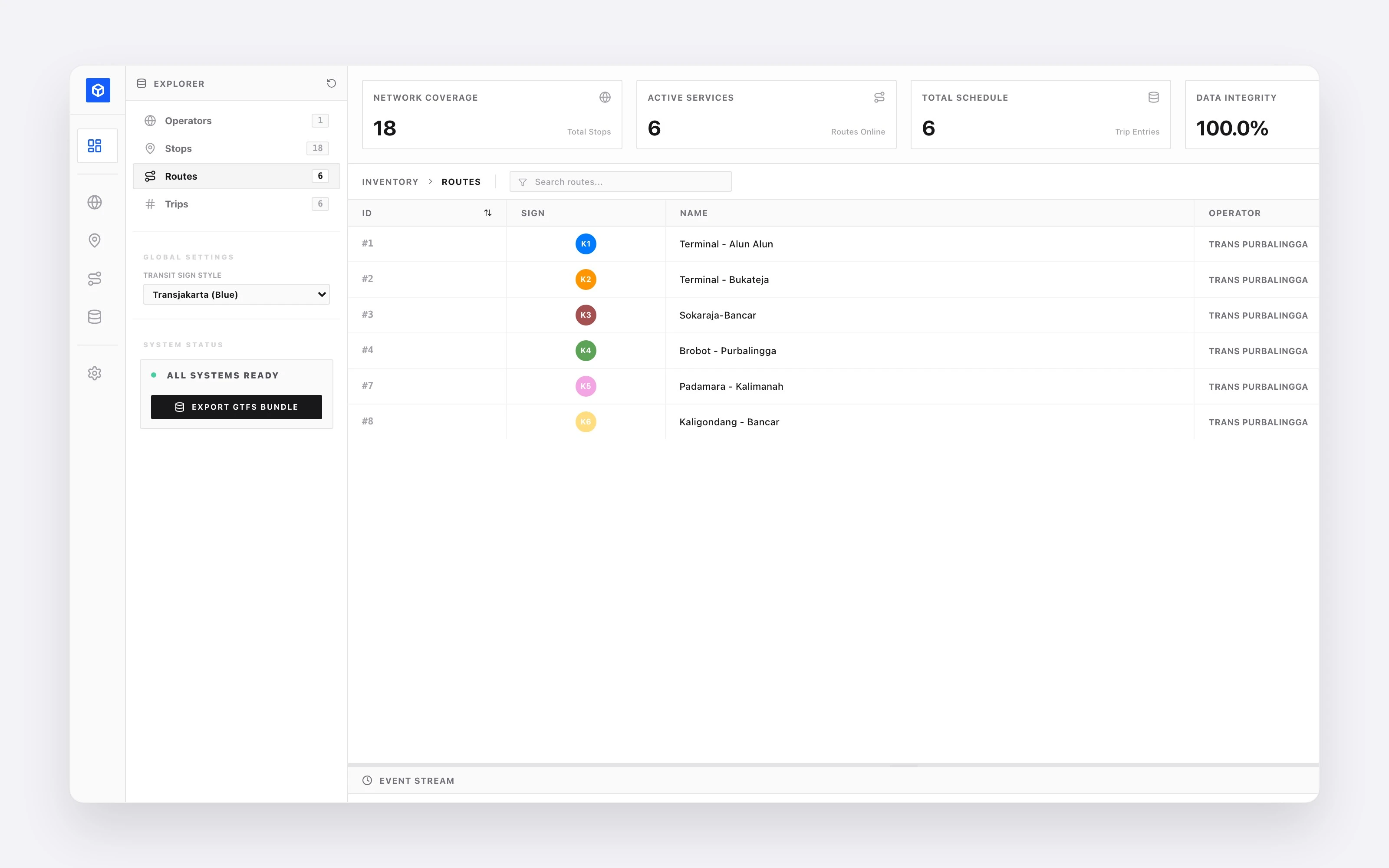
Platform Gallery
Swipe to see more →
Overview
A comprehensive GTFS management platform featuring a dual-frontend architecture, interactive route studio, and real-time geospatial data processing.
Transit Management System
Developed a robust ecosystem for managing General Transit Feed Specification (GTFS) data, optimized for high-density information display and intuitive operator workflows.
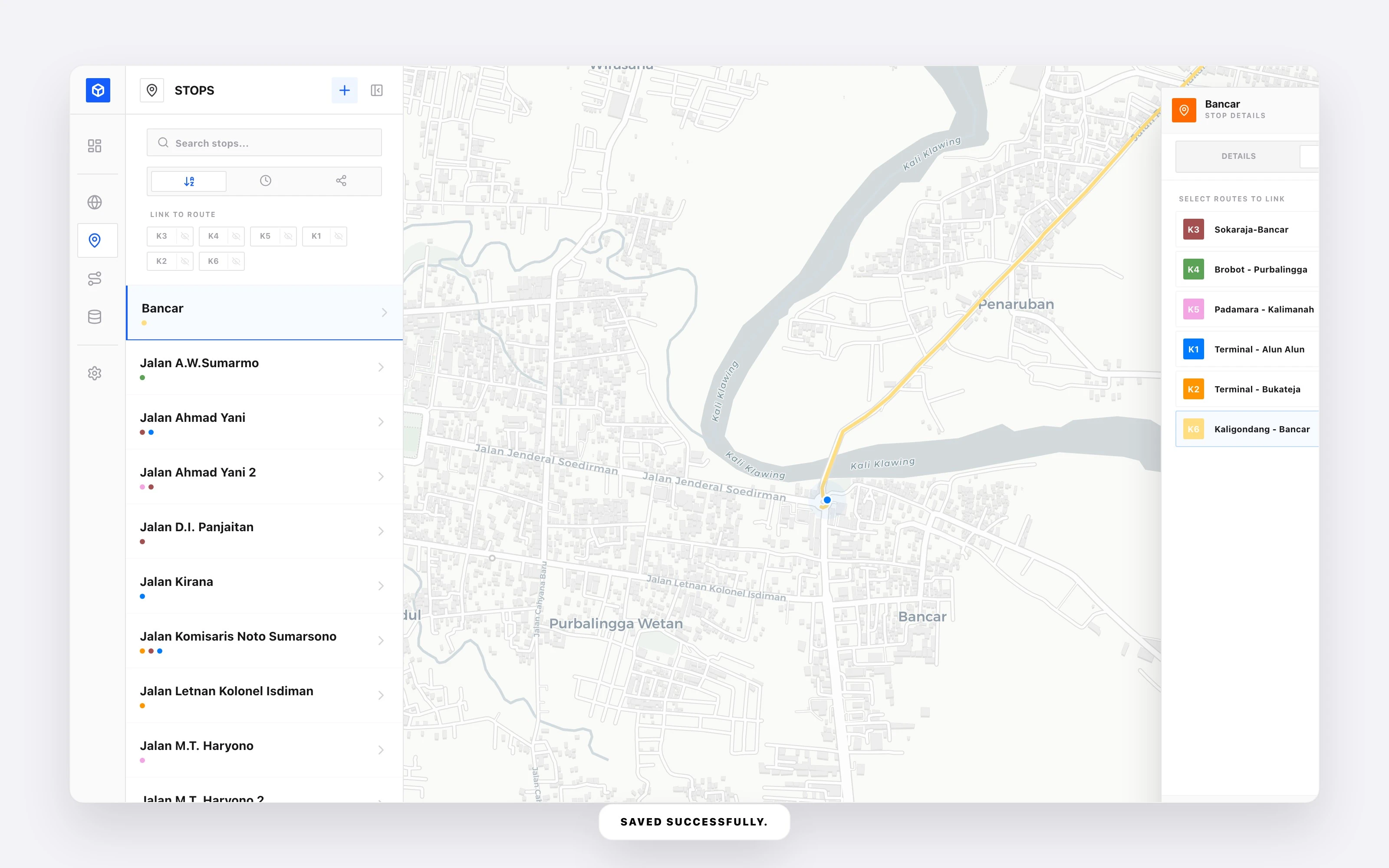
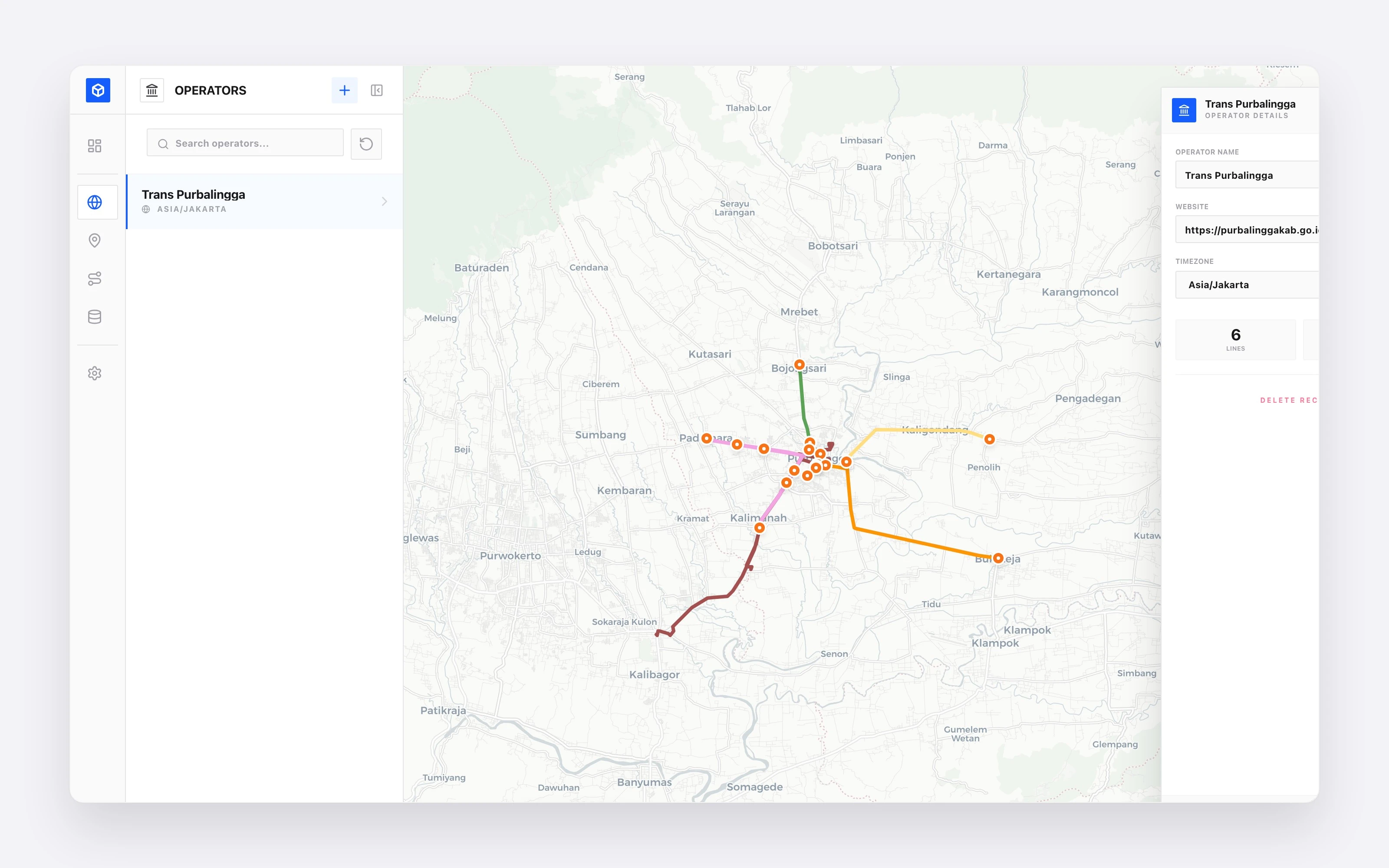
- Proximal Hub Overlay Pattern: Implemented a custom UI architecture where sidebars handle entity selection while floating, draggable hubs facilitate deep-data editing, maximizing map visibility.
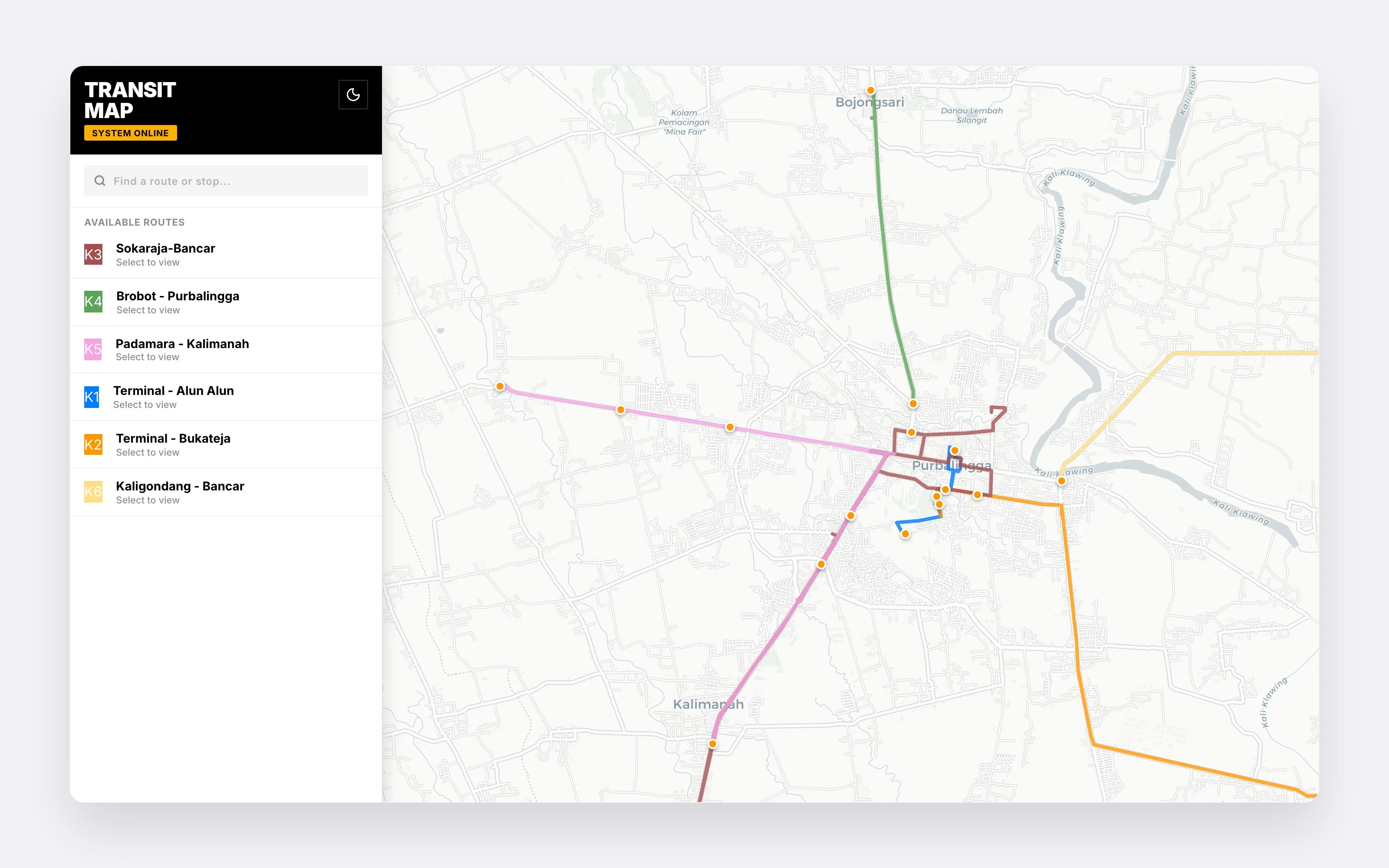
- Dual-Frontend Architecture: Engineered a specialized CMS for transit operators with X-Style high-density layouts and a separate Web Viewer for public commuters.
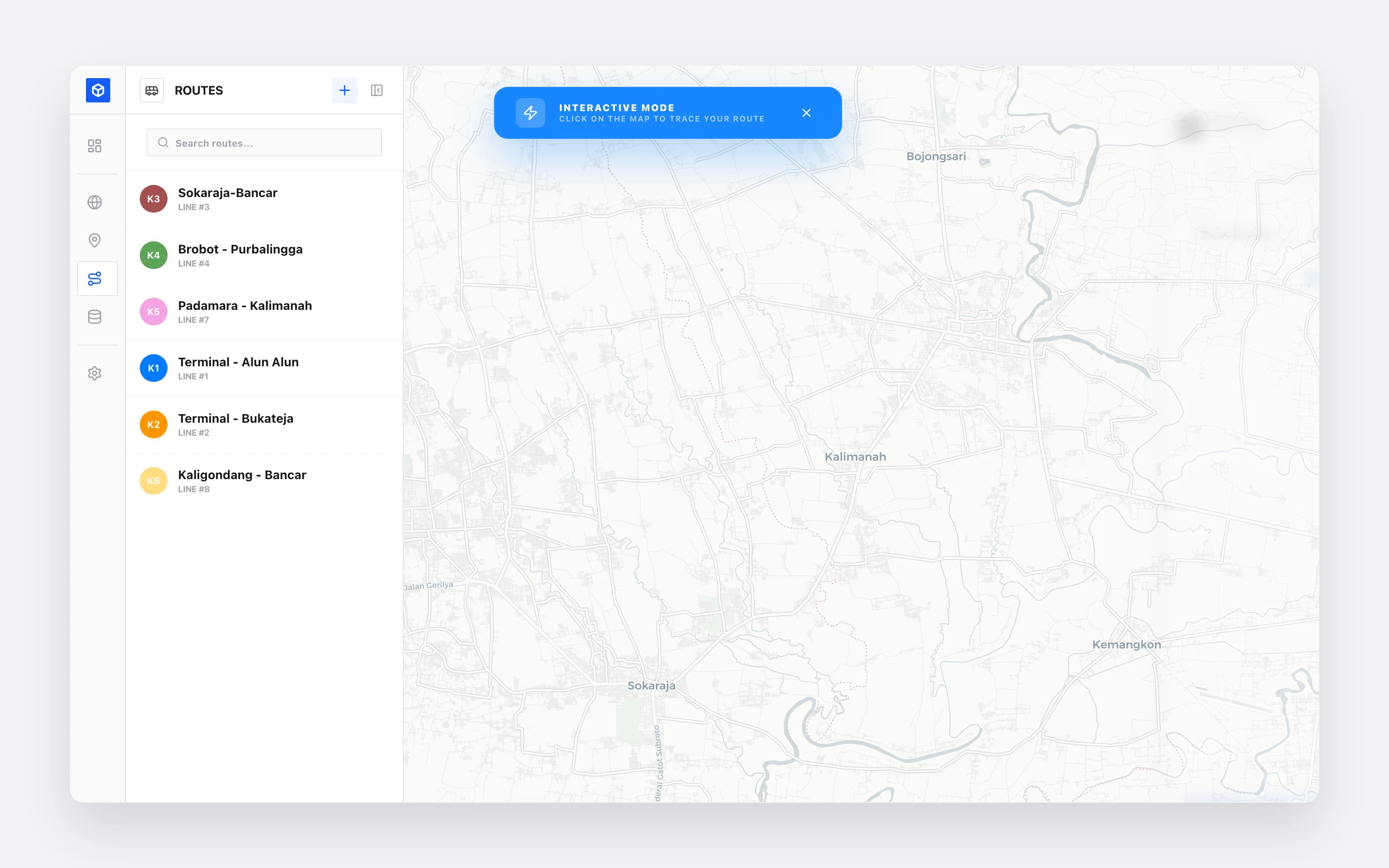
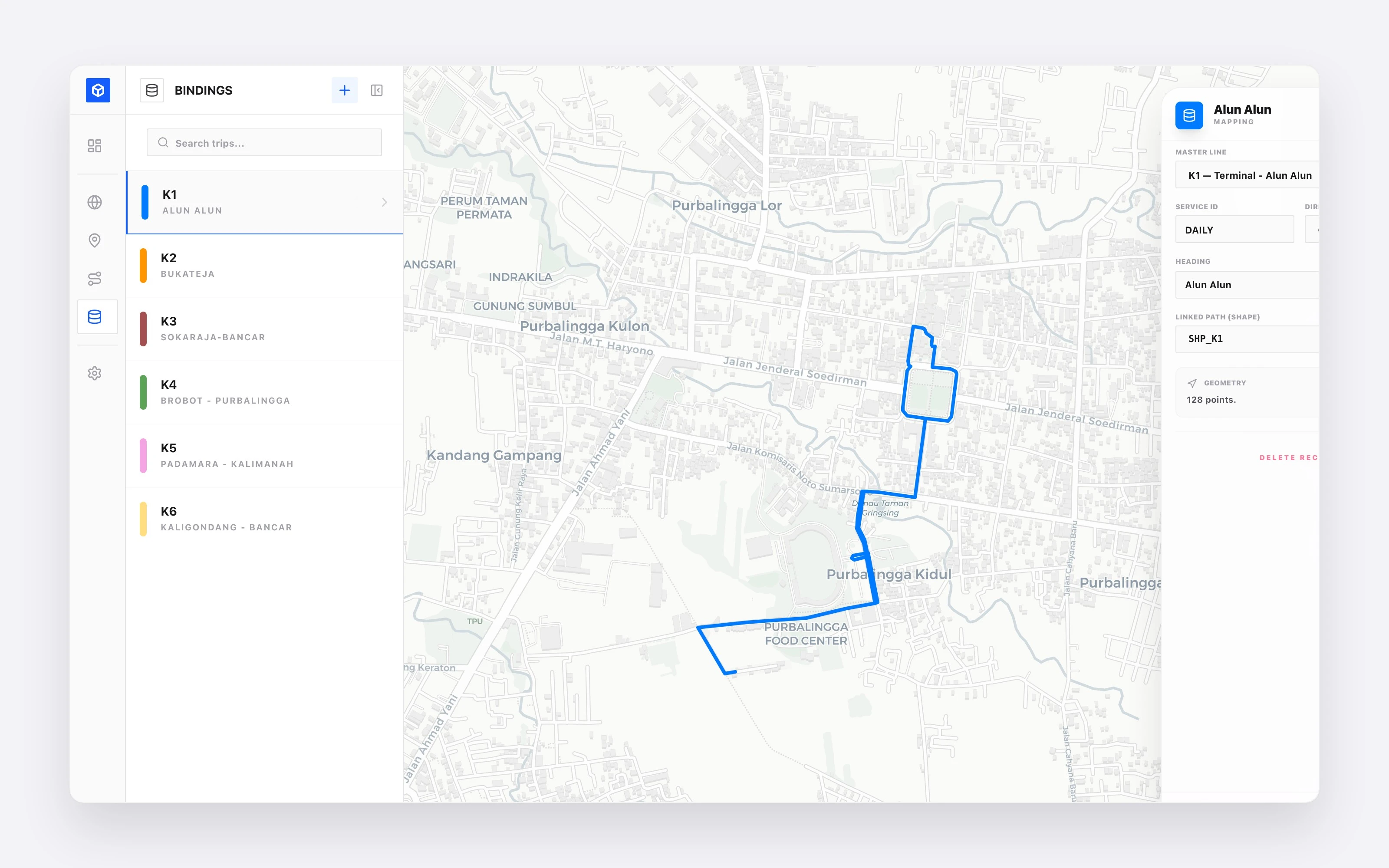
- Geospatial Route Studio: Built an interactive mapping engine using Leaflet and React for real-time stop placement, route pathfinding, and visual trip pattern validation.
How I built it
- Full-Stack Transit Engine: Built a Go backend with PostgreSQL using GORM to handle complex relational integrity across agencies, routes, and schedules.
- Dual-Frontend Architecture: Created specialized React interfaces—a high-density CMS for operators and a clean Leaflet-based map viewer for the public.
- Geospatial Studio: Built an interactive route editor allowing real-time map-based stop placement and trip pattern validation.
- Containerized Orchestration: Dockerized the entire ecosystem for consistent deployment and scaling.
Challenges
The hardest part was designing the CMS interface to display high-density transit data without overwhelming operators—GTFS files can have thousands of interconnected records, and a single mistake cascades through the entire system.